
Diagnosis, cleaning, rehabilitation and full replacement — all of it aimed at fixing the pipe without dismantling what is on top of it.
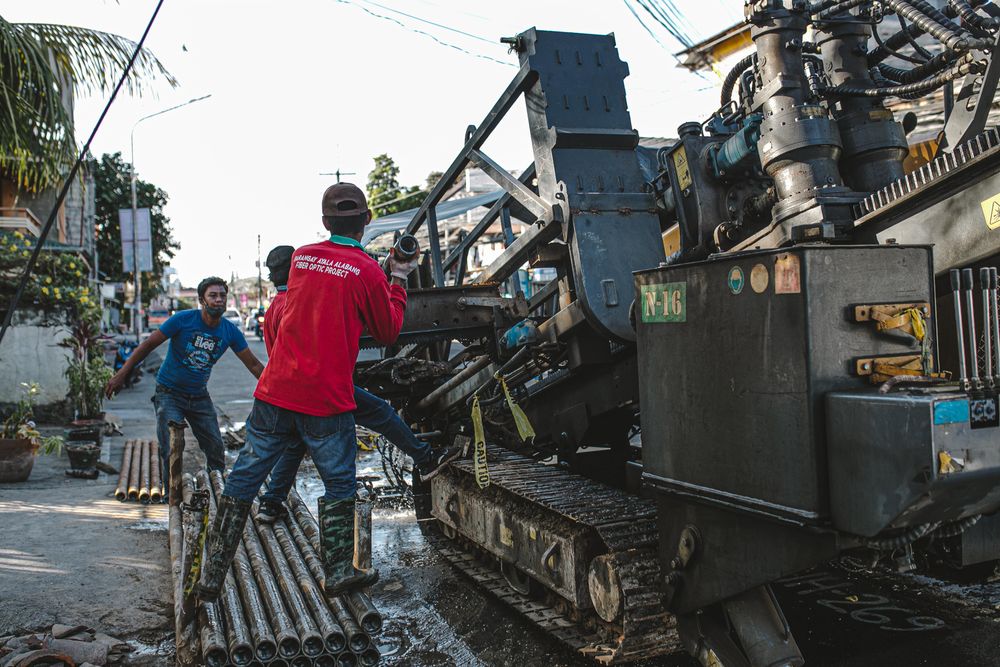
Moleing uses a pneumatic piercing tool — the "mole" — driven underground on compressed air to punch a path for a new line. We sink a small launch pit and a receiving pit, drive the mole between them, and pull the new pipe through the bore it leaves behind.
It is the method of choice when the run is relatively straight and the obstacle above it is something you do not want to lose: a stamped concrete driveway, a paver walkway, a mature lawn, or a hardscaped side yard.
Cured-in-place pipe, or CIPP, rebuilds a failing line from the inside. A felt liner saturated with resin is pulled or inverted into the host pipe, pressed tight against the pipe wall, and cured until it hardens into a continuous, jointless pipe within a pipe.
Because the new pipe has no joints, the things that killed the original line — root intrusion at the seams, offset joints, longitudinal cracks, corroded cast iron — no longer have a way in. The host pipe becomes the mold; you keep the path, and lose the failure points.
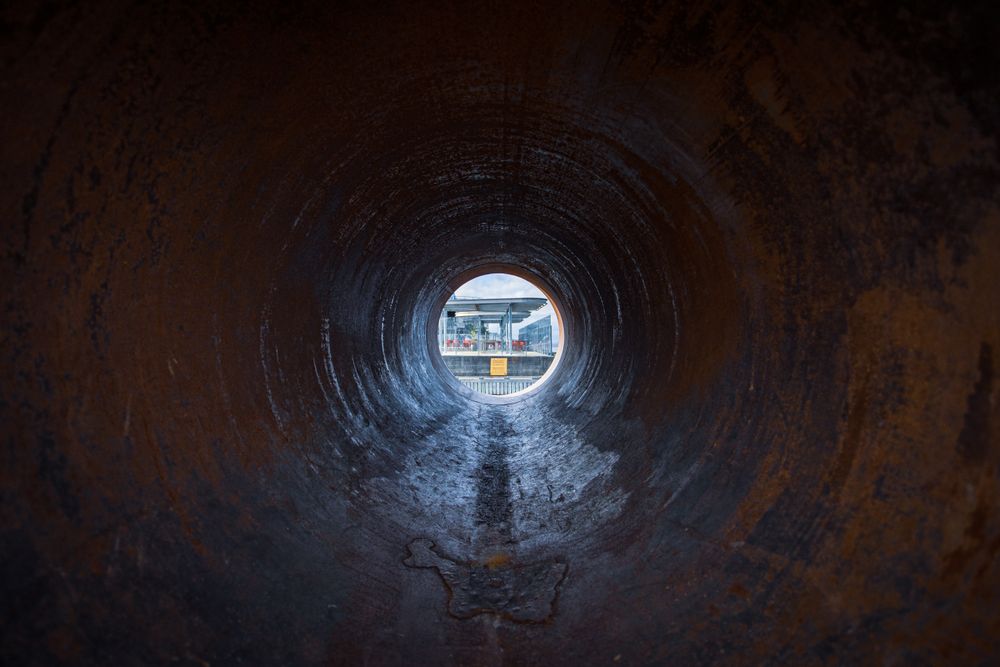
Not every pipe can take a structural liner. Small-diameter lines, tight bends, complex vertical stacks and branched systems often need a coating instead — epoxy applied directly to the interior wall by brush-cast or spray head and cured in place.
Coating restores a smooth, sealed surface, stops active corrosion and pinhole leaks, and buys a badly scaled pipe its working diameter back. It is frequently the right answer for interior drain and vent piping in multi-unit buildings where opening walls is the real expense.
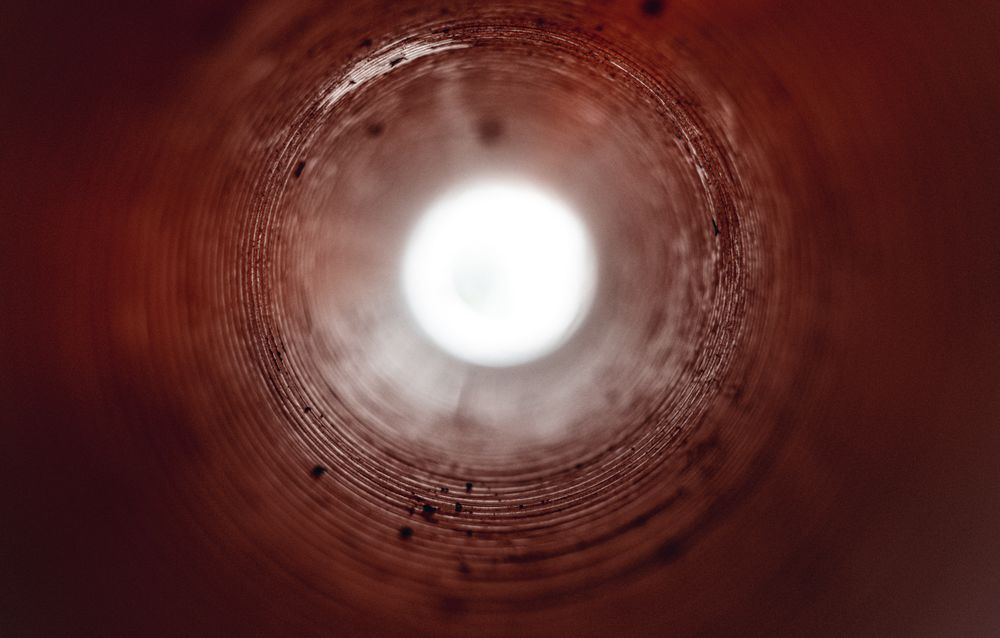
Every job we do starts here. A push camera or self-propelled crawler goes down the line and shows the actual condition of the pipe — the break, the belly, the root mass, the grease shelf, the section where the clay has collapsed — instead of a guess based on symptoms.
The camera carries a sonde, so we can locate the fault from the surface and mark its depth and position before anyone digs. That single step is the difference between a targeted spot repair and an expensive exploratory excavation in the wrong place.
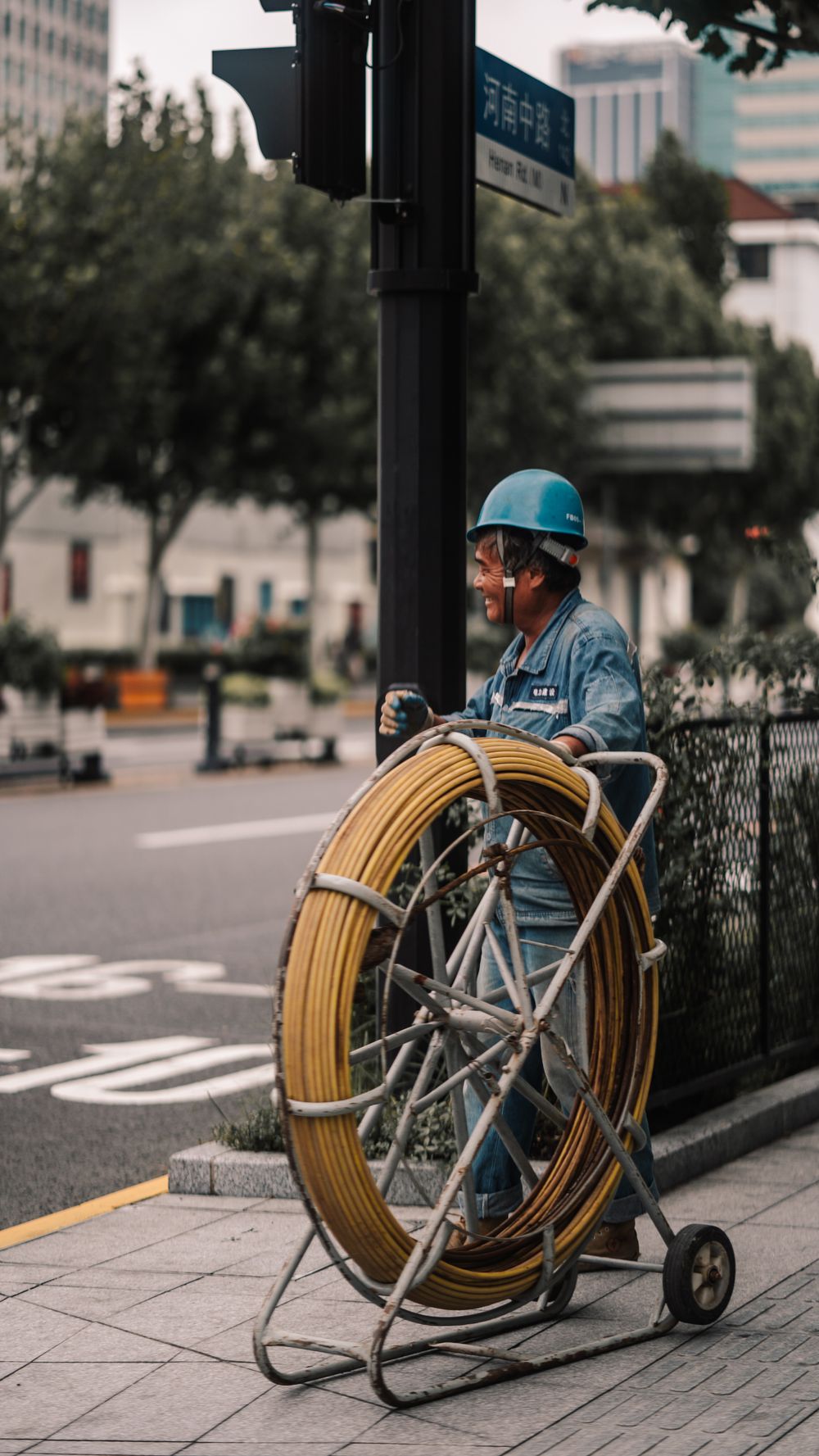
Hydro jetting drives water through a nozzle at high pressure, cutting roots and scouring grease, scale and sludge off the pipe wall while flushing the debris downstream. A cable snake punches a hole through a blockage; a jetter takes the pipe back to its full working diameter.
That distinction matters most on lines that keep backing up every few months. If the wall is still coated in grease or the root mass is only bored through rather than cut out, the clog comes back on schedule. We camera the line first so we jet the right problem — and we do not jet a pipe the camera says is too far gone to take it.
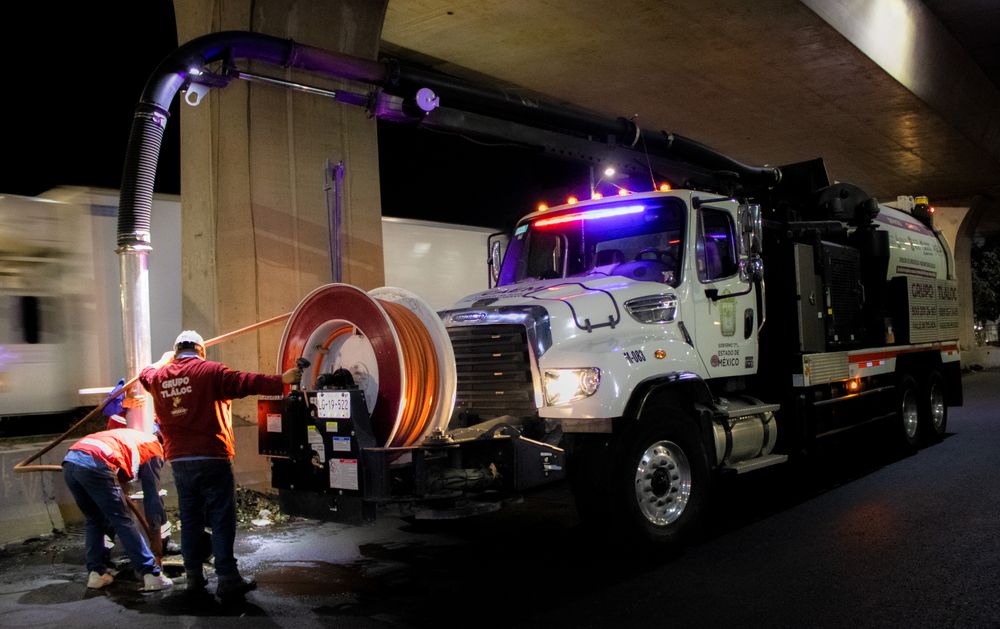
When a line is collapsed, badly bellied, or so deteriorated that there is nothing left to line, pipe bursting replaces it outright without a trench along its length. A bursting head is pulled through the old pipe, fracturing it outward into the surrounding soil while towing a new continuous HDPE pipe into the space it leaves.
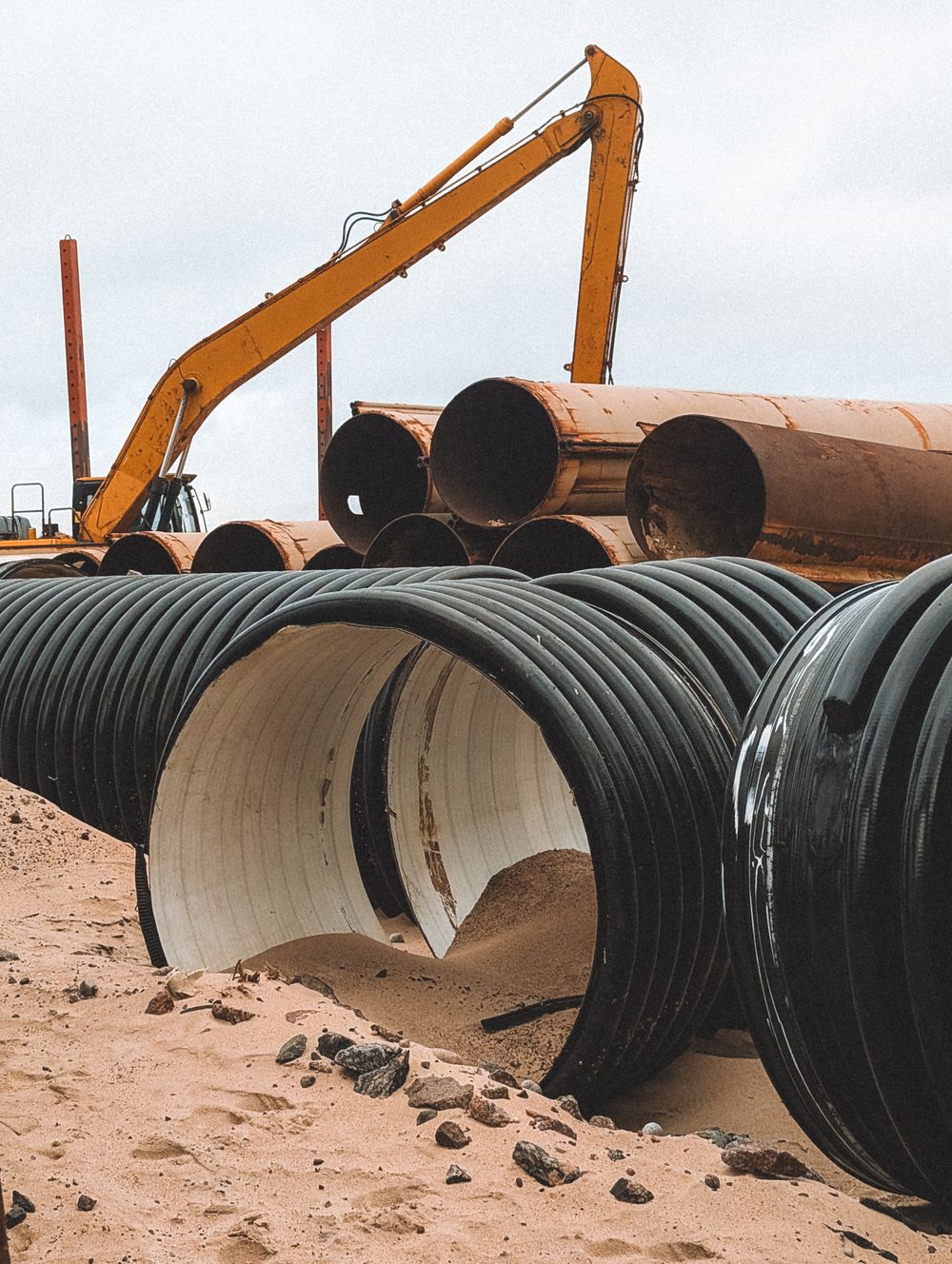
You end up with a brand-new jointless line — often the same diameter or larger than the original — and two access pits instead of an open trench across the yard, the driveway and the street.
Most people call us with a symptom, not a diagnosis — a slow drain, a wet spot in the yard, a recurring backup, a failed inspection report. We put a camera down the line, find the actual cause, and tell you which of these six methods fits. Sometimes the answer is the cheapest one on the list.